

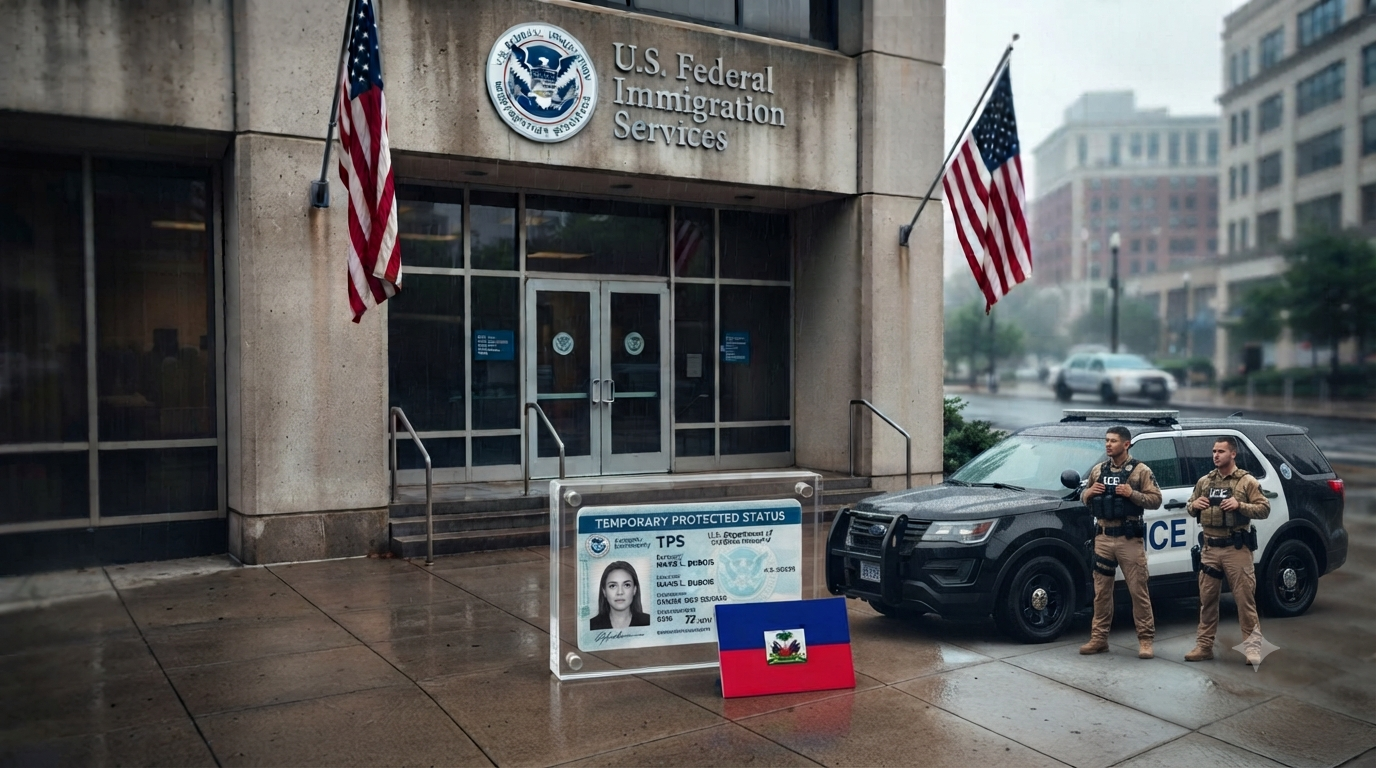
TPS Officially Ends for Hundreds of Thousands of Haitians, Triggering Massive Deportation Fears
NEW YORK – Temporary Protected Status (TPS) has officially ended for hundreds of thousands of Haitian nationals living in the United States, following a final federal court order that cleared the path for widespread immigration enforcement and potential deportations.
The decision became final when U.S. District Judge Ana C. Reyes signed an order lifting previous legal stays. The action brings lower courts into formal compliance with the U.S. Supreme Court’s 6-3 ruling in Mullin v. Doe, which concluded that federal courts cannot second-guess or review the executive branch’s discretionary authority to grant, extend, or terminate country designations under TPS.
Immediate Impact on Former TPS Holders
Between 330,000 and 350,000 Haitian nationals who previously relied on TPS—along with individuals under programs like the CHNV humanitarian parole—are immediately affected by the transition.
For many, the first sign of this change is the administrative notification that their employment authorization is no longer valid.
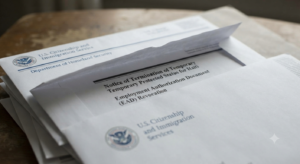
The loss of Employment Authorization Documents (EADs) means that individuals who were previously legally employed are now immediately ineligible to work. Employers are required to reverify documents, creating compliance challenges and immediate job security risks in major Haitian-American hubs such as South Florida, New York, and Boston.
Furthermore, individuals without other pending or approved immigration claims are now classified as undocumented and are immediately subject to immigration enforcement and removal proceedings.
Anxiety and Uncertainty in the Community
The legal shift has generated profound anxiety within the Haitian community. Families are now facing the reality of potential separation. Community centers are overwhelmed with requests for legal counsel and assistance.
Our cameras captured the atmosphere of uncertainty outside a community resource center in Little Haiti, Miami.

Guidance from Legal Experts and Officials
Immigration attorneys and community leaders are urging affected families to seek professional counsel immediately to evaluate any potential alternative pathways, such as asylum or family-based petitions, though legal avenues are now extremely narrow.
Experts strongly advise individuals to avoid unaccredited advisors or “notarios” and instead consult certified immigration lawyers or recognized legal aid organizations. The Department of Justice provides a list of accredited representatives and pro bono legal service providers.
Additionally, the Haitian Consulate has advised citizens in the United States to secure updated national passports, as domestic documentation linked to former legal statuses is no longer valid. The consulate has indicated it is mobilizing resources to handle an expected surge in passport applications.
The situation remains fluid as advocacy groups coordinate emergency responses to the expected increase in enforcement actions.