

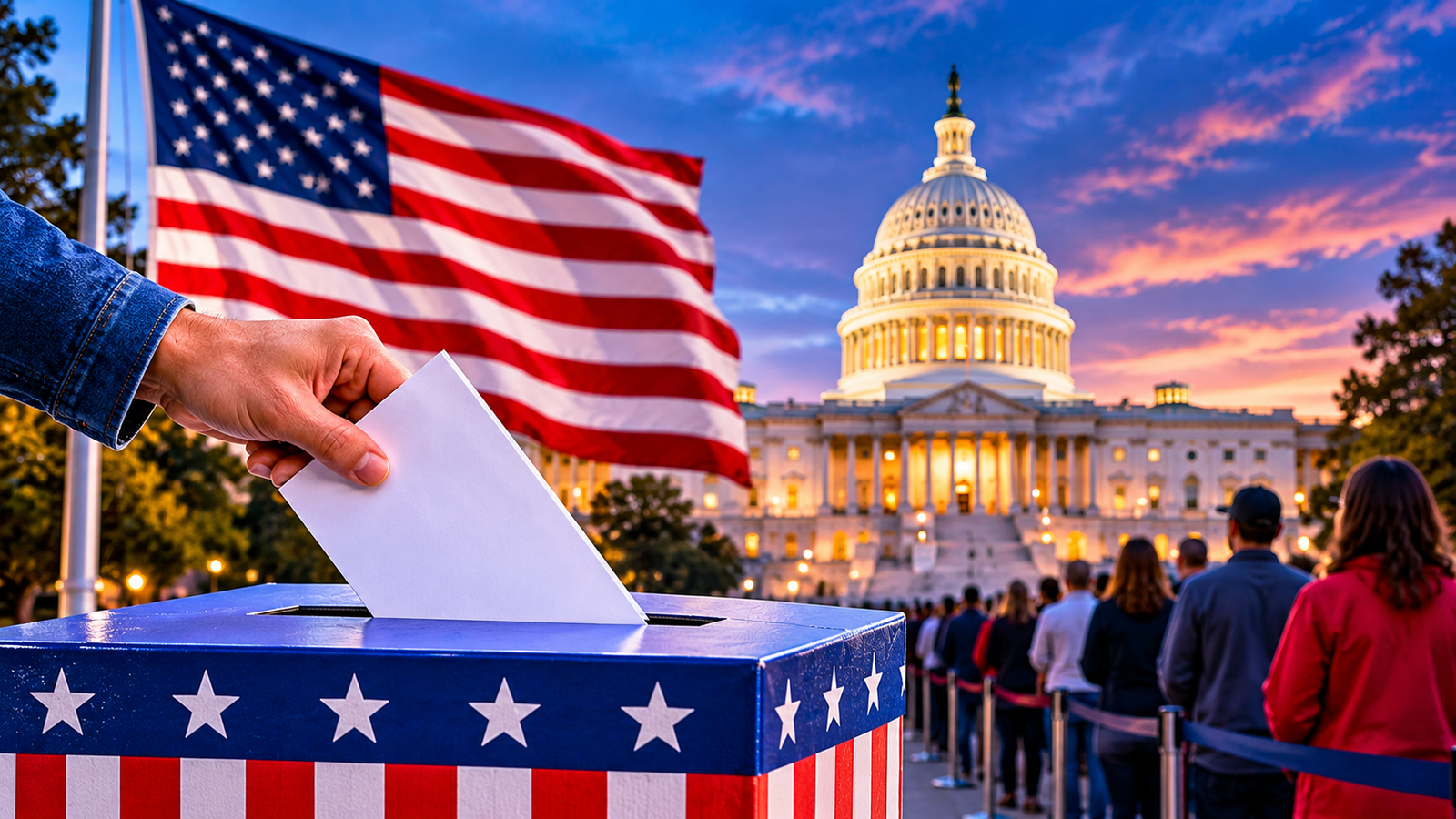
US Midterm Elections 2026: Key States and Poll Closing Times to Watch
WASHINGTON, D.C. — Millions of Americans are preparing to follow the results of the 2026 U.S. midterm elections, with attention turning to key congressional contests and other important races across the country.
Election Day is Tuesday, November 3, and the timing of poll closures will play an important role in determining when voters can begin getting a clearer picture of the results.
Although some states may report early numbers shortly after voting ends, closely contested races could take considerably longer to decide. Differences in state election procedures, mail-in ballot processing and vote margins can all affect when final outcomes become known.
When Do Polls Close Across the United States?
Election officials operate under different schedules depending on their state and local jurisdictions. Here is a general overview of major poll-closing periods, listed in Eastern Time:
● 7:00 p.m.: Polls begin closing in states including Georgia, Indiana, Kentucky, South Carolina, Virginia and Vermont.
● 7:30 p.m.: Voting concludes in several states, including North Carolina, Ohio and West Virginia.
● 8:00 p.m.: A major group of states, including Connecticut, Pennsylvania, Florida and Maine, reaches its scheduled closing period.
● 8:30 p.m.: Arkansas enters the next phase of election-night reporting.
● 9:00 p.m.: Polls close in several important states, including Michigan, Texas, Wisconsin, Arizona and New York.
● 10:00 p.m.: Nevada, Montana and Utah are among the states reaching their closing period.
● 11:00 p.m.: Voters in California, Oregon and Washington reach the end of scheduled voting hours.
● After midnight: Hawaii and Alaska complete their voting schedules later in the evening.
Actual closing times may vary by location, and voters who are already in line when polls close are generally permitted to cast their ballots.
Key States to Watch on Election Night
Several states could attract national attention because of their competitive congressional races and potential influence on the balance of power in Washington.
Georgia: The state will be closely watched as election-night reporting begins, particularly for its importance in national political contests.
North Carolina: Results from the state could provide important clues about the direction of competitive congressional races.
Pennsylvania: With its significant role in national elections, Pennsylvania will be one of the states receiving considerable attention from political observers.
Michigan and Wisconsin: These Midwestern states could become important indicators of the national political environment as results arrive.
Texas: Election results from Texas will also be closely monitored, particularly in competitive congressional districts.
Arizona and Nevada: Both Western states could influence the broader political picture as later results become available.
Why Final Results May Take Longer
The closing of polling stations does not mean election results will immediately become official.
Election workers must count ballots, verify voting records and complete required procedures before results can be certified.
Mail-in ballots, provisional ballots and close vote margins can also extend the counting process.
In particularly competitive contests, news organizations may wait until sufficient votes have been counted before projecting a winner.
Where to Follow Election Night Coverage
Americans will have several options for following election developments, including television news networks, online news platforms and official state election websites.
Major national broadcasters, including CNN, NBC News, CBS News and Fox News, are expected to provide extensive election-night reporting.
Voters can also consult their state election authorities for official updates and verified results.
What to Expect as the Night Progresses
The first wave of election results may offer an early indication of voting patterns, but analysts caution against drawing conclusions from incomplete returns.
As more states finish reporting, attention will shift toward competitive races that could determine control of Congress and influence the direction of federal policy.
For voters, candidates and political observers, election night will be an important opportunity to understand the choices Americans have made and the potential consequences for the country’s political future.
The bottom line: Poll-closing times provide a useful schedule for following election night, but the final outcome of several closely contested races may not become clear until additional ballots have been counted.