

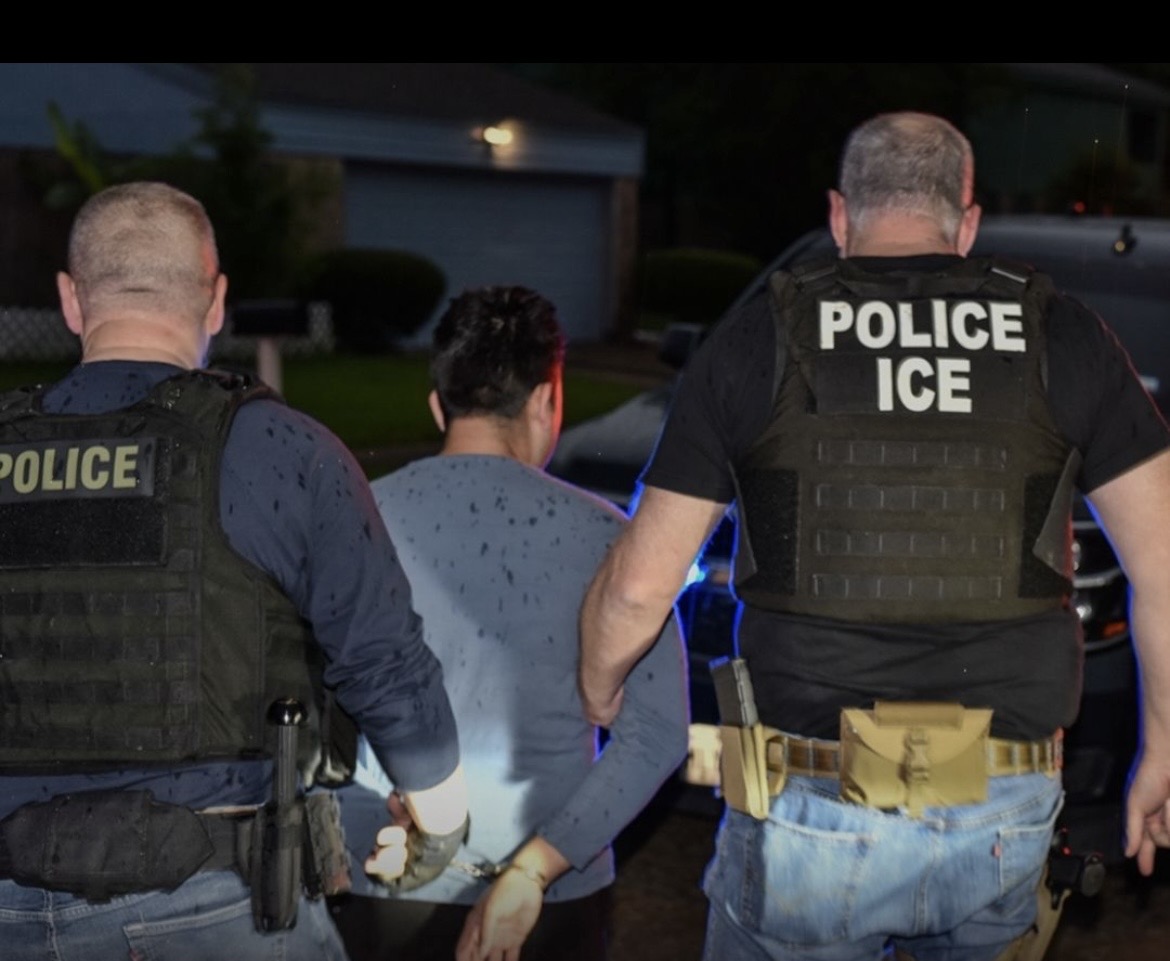
Two Nepali speaking Bhutanese refugees arrested by ICE in Pennsylvania
PENNSYLVANIA– Two Bhutanese refugees living in Pennsylvania were taken into custody by U.S. Immigration and Customs Enforcement (ICE), according to leaders within the local Nepali‑speaking community. The detentions happened over the weekend and have caused growing fear among families in the region.
Community Leaders Confirm the Detentions
Members of the Bhutanese community reported that ICE agents arrived at two separate homes and detained two men early in the morning. Community leaders say both individuals had lived in the United States for years and had already completed their previous legal cases through the court system.
Advocates argue that the men are now facing a second punishment through possible deportation, even though they had already served their sentences.
Rising Fear Among Bhutanese Refugees
Central Pennsylvania is home to one of the largest Bhutanese refugee populations in the country. Many residents say they are now afraid to leave their homes, go to work, or interact with the public because they fear unexpected immigration actions.
Community members say the recent detentions are part of a pattern affecting Nepali‑speaking Bhutanese residents, including people who entered the U.S. legally and have lived here for many years.
Concerns About Deportation to Bhutan
Advocates warn that deportation to Bhutan can put individuals at serious risk. In past cases, deported refugees were reportedly accepted by Bhutan only to be expelled again into India, leaving them without documents, support, or a place to live.
Community organizations say several people from Pennsylvania have already been deported under similar circumstances, and some families have lost contact with their loved ones abroad.
Legal Action Being Prepared
Local refugee organizations say they requested information from federal officials months ago but did not receive a response. Because of this, they are preparing legal action to demand transparency and protection for affected families.
Community leaders are also urging residents to learn about their legal rights, including the requirement for warrants during home visits.