


Major International Tibet Conference Forced Online After Nepal Cancels Physical Meeting
KATHMANDU — A major global gathering of scholars focusing on Tibetan studies has been abruptly moved from a physical venue in Nepal to an online format, organizers announced on Saturday. The last-minute decision has sent shockwaves through the academic community, which spent four years preparing for the event.
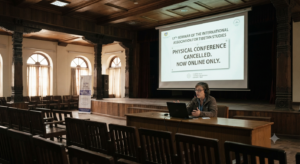
The conference is the 17th Seminar of the International Association for Tibetan Studies (IATS). Held every three years, it serves as the premier academic forum for researchers worldwide to present new findings on Tibetan history, language, religion, and culture.
This year’s event was scheduled to be hosted by Kathmandu University (KU) from August 23 to 29. It was expected to be the largest-ever gathering of Tibetologists, with more than 700 scholars from 39 countries registered to attend in person.
However, according to statements released by the IATS board, the physical conference was derailed just weeks before it was set to begin. Organizers reported that top university officials, acting on direct instructions from high-level Nepali government authorities, abruptly informed them that hosting the physical event would not be permitted.
While the Nepali government did not provide an official public reason for the sudden reversal, multiple sources close to the planning confirmed that the decision was the result of intense diplomatic pressure from the People’s Republic of China. Beijing views nearly all academic discussion of Tibet—particularly topics related to its history, sovereignty, and the role of the Dalai Lama—as highly sensitive political challenges to its rule.
In a strongly worded statement, the IATS Board of Directors expressed their “deep distress” and called the cancellation a “worrying development.”
“This decision by the university authorities, under pressure from external forces, directly obstructs the fundamental principle of academic freedom and the ability for international scholars to meet and exchange ideas freely,” the statement read. “Scholarly inquiry should not be held hostage to political agendas.”
Despite the profound logistical and financial setbacks caused by the cancellation, organizers emphasized their commitment to the scholarly community. By rapidly pivoting the entire massive program—which includes hundreds of individual papers and panel discussions—to an online format, they ensure the event will proceed, allowing researchers to share their work.
However, the move eliminates the vital in-person networking, cultural exchange, and side conversations that are the hallmarks of international conferences, representing a significant loss for the global field of Tibetan studies.