

Food Becomes Nepal’s Next Big Dependency After Fuel
KATHMANDU– Nepal is facing a new economic concern as the country becomes increasingly dependent on imported food. Officials and economists say the main reason is the continued outflow of Nepali migrant workers, which is weakening the agricultural workforce at home.
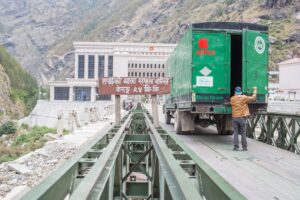
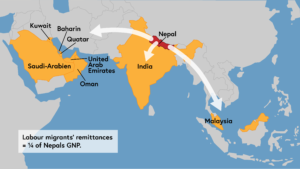
Remittance inflows are at record levels, with millions of Nepalis working in the Gulf, Malaysia, Korea and other countries. This money supports families and keeps Nepal’s economy stable, but it also creates a major gap in the farming sector. With fewer young workers in villages, Nepal’s food production has dropped sharply.
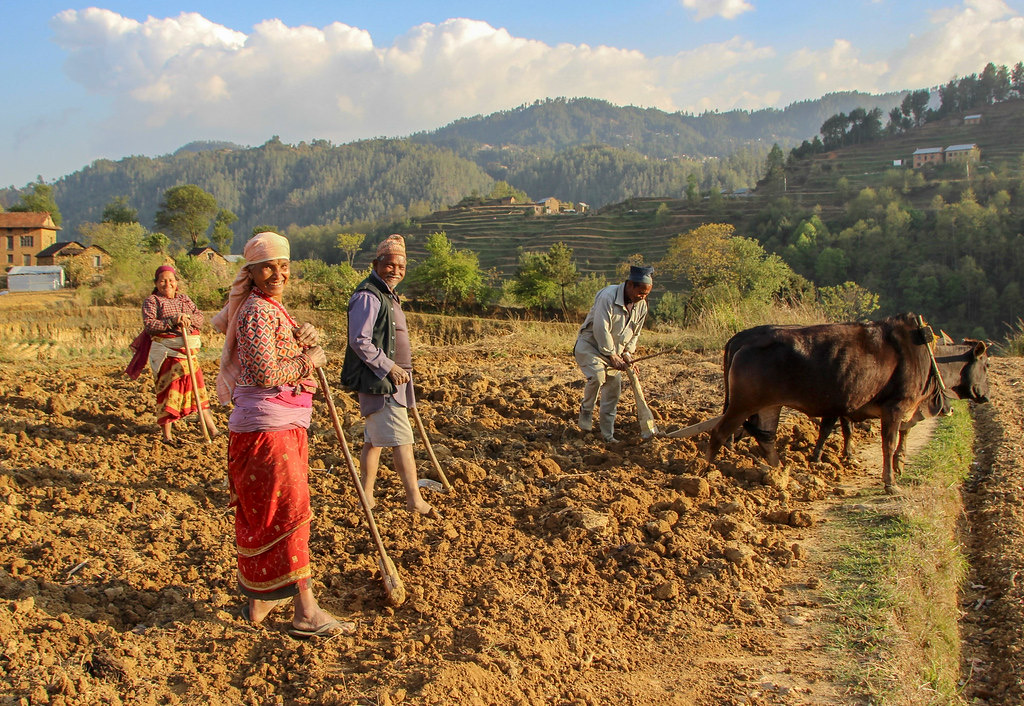
Local farmers report empty fields, aging workers and smaller harvests. Crops that were once grown inside Nepal — including rice, vegetables, lentils and fruits — are now being imported in large quantities. Government data shows Nepal’s food import bill rising every year, making food the country’s next biggest dependency after fuel.
Economists warn that this trend puts Nepal at risk of price shocks and supply problems. Because the country relies heavily on foreign markets, any change in global prices or political tensions can immediately affect Nepali consumers.
The government has discussed plans to modernize agriculture and encourage youth to return to farming, but progress has been slow. Many young Nepalis still choose foreign employment because farming offers low income and limited opportunities.
Experts say Nepal must act quickly to strengthen its agricultural sector or the country will face deeper food insecurity and long‑term economic pressure. For now, remittances keep the economy running, but the growing dependence on imported food shows a problem that is becoming harder to ignore.