


Nepal sees alarming increase in cancer among children and youth
KATHMANDU-Nepal is witnessing a worrying rise in cancer cases among children, teenagers, and young adults, according to doctors, researchers, and national health organizations. What was once considered a disease mostly affecting older adults is now increasingly being diagnosed in younger age groups, placing new pressure on the country’s already limited cancer‑care system.
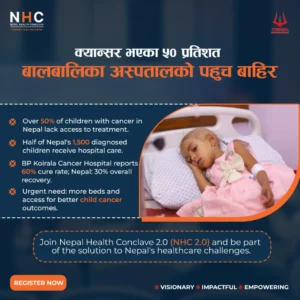
At BP Koirala Memorial Cancer Hospital in Chitwan, one of Nepal’s largest cancer treatment centers, pediatric cancer beds remain full throughout the year. Hospital officials say the number of young patients has grown steadily over the past decade, with many arriving in advanced stages of the disease.
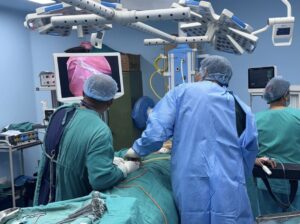
A Growing Public Health Concern
Doctors report that cancers such as leukemia, lymphoma, bone cancer, and brain tumors are being detected more frequently in children and adolescents. Young adults in their 20s and 30s are also showing higher rates of breast cancer, colon cancer, and blood‑related cancers.
Health experts believe the rise is linked to a combination of factors:
• Unhealthy diets dominated by junk food and processed snacks
• Pesticide‑contaminated vegetables and fruits
• Sedentary lifestyles among urban youth
• Environmental pollution in growing cities
• Late diagnosis due to low awareness and limited screening
Many families, especially in rural areas, struggle to recognize early symptoms such as persistent fever, unexplained weight loss, swelling, or fatigue. As a result, children often reach hospitals only when the disease has progressed, reducing their chances of survival.
Survival Gap Between Nepal and Developed Countries
While high‑income countries report childhood cancer survival rates above 80 percent, Nepal’s rate remains around 40 percent. Doctors say the gap is caused by:
• Delayed diagnosis
• Limited specialized pediatric oncology units
• High treatment costs
• Shortage of trained cancer specialists
• Lack of follow‑up care and supportive services
The Nepal Paediatric Society (NEPAS) recently released a position paper urging the government to strengthen early detection programs, improve hospital infrastructure, and expand training for pediatric hemato‑oncologists.
Hospitals and Organizations Respond
Several national and international organizations are working to address the crisis.
• World Child Cancer recently completed a three‑year program aimed at improving access to treatment and psychological support for young patients.
• The DECAN‑Child research project is tracking 181 children with cancer to better understand treatment challenges and survival outcomes in Nepal.
• Hospitals are expanding training programs for nurses and doctors to improve early diagnosis and treatment quality.
Despite these efforts, experts say Nepal needs stronger national policies on food safety, environmental health, and cancer screening to slow the rising trend.
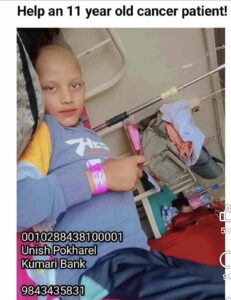
Families Carry the Emotional and Financial Burden
For many Nepali families, a cancer diagnosis brings emotional shock and financial hardship. Treatment often requires long stays in cities like Chitwan, Kathmandu, or Bhaktapur, forcing parents to leave their jobs and relocate temporarily. Travel, accommodation, and medication costs add to the burden.
Parents also report difficulties accessing blood transfusions, chemotherapy drugs, and specialized tests, especially during peak patient seasons.
A Call for Awareness and Early Action
Doctors emphasize that early detection saves lives. Recognizing symptoms, seeking timely medical advice, and avoiding self‑medication can significantly improve outcomes for young patients.
Public health experts are urging schools, local governments, and community organizations to launch awareness campaigns focusing on:
• Healthy eating habits
• Safe agricultural practices
• Regular health checkups
• Early cancer warning signs
As Nepal continues to develop, the rise in childhood and youth cancer serves as a reminder that public health must remain a national priority.