

KP Sharma Oli released after court finds no evidence; public in Nepal and abroad express dissatisfaction
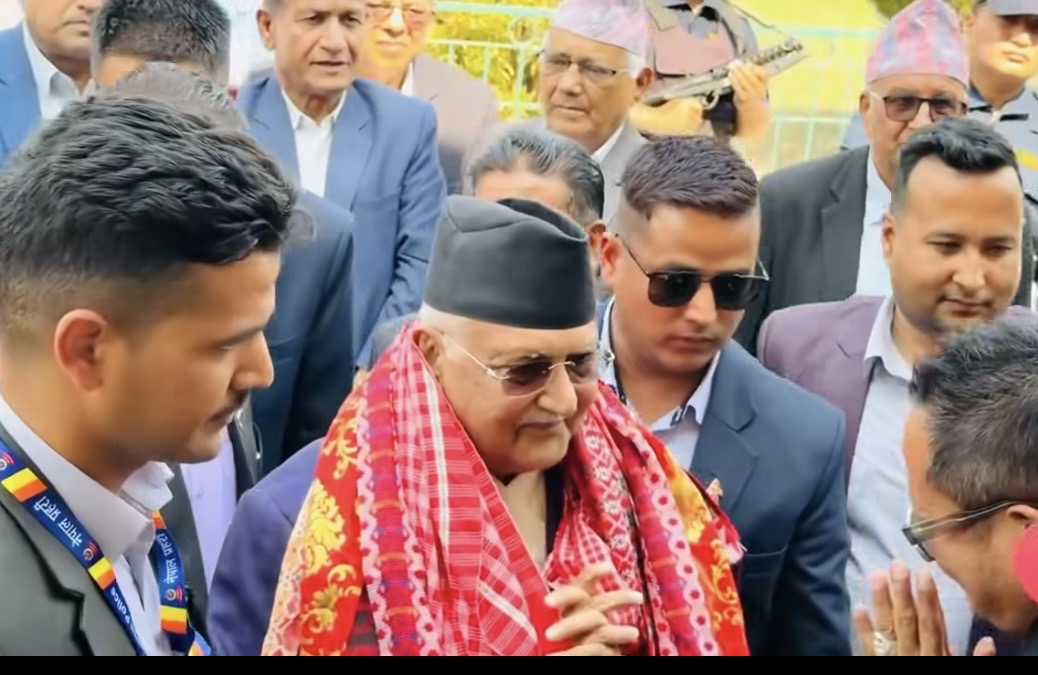
KATHMANDU — Former Prime Minister and CPN‑UML Chair KP Sharma Oli has been released after 13 days in police custody, following a Supreme Court order stating that the government failed to present sufficient grounds to continue the case against him.
Oli had been detained on March 27 in connection with allegations related to the handling of the recent Gen‑Z protest movement. Authorities had accused him of responsibility for excessive force and the death of a protester, but the court concluded that the prosecution did not provide adequate evidence to move the case forward.
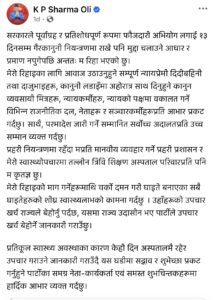
After his release, Oli posted a message on Facebook saying he had been kept under “illegal detention” for nearly two weeks. He thanked supporters, legal teams, political leaders, journalists, and the Supreme Court for its decision. He also expressed gratitude to the police officers who treated him humanely during custody and to the medical staff at Tribhuvan University Teaching Hospital.
Oli criticized the government for using force against demonstrators who demanded his release. He urged the state to cover the medical expenses of those injured during the protests, adding that his party would take responsibility if the government does not.
Public and Diaspora Reaction
KP Oli’s release sparks public frustration at home and overseas; questions raised for newly elected leaders.
A section of the public in Nepal and Nepali communities abroad expressed dissatisfaction with the court’s decision. Many social media users and protest groups argued that the investigation should have continued, especially given the sensitivity surrounding the Gen‑Z movement and the deaths reported during demonstrations.
These reactions highlight growing pressure on the government to ensure transparency and accountability in politically sensitive cases.
Impact on New Leadership
The development comes at a critical moment for Nepal’s new political leadership.
• Balen Shah, recently appointed as Prime Minister,
• RPP President Rabi Lamichhane,
• and several newly elected lawmakers are navigating heightened public expectations and scrutiny. Analysts note that the controversy surrounding Oli’s arrest and release may influence the political environment for the new administration, especially as it faces demands for reform, justice, and stronger governance.
What Comes Next
Oli is expected to remain in the hospital for a few days due to health concerns. Political observers say the situation may continue to evolve as parties respond to the court ruling, public sentiment, and the broader debate over the Gen‑Z movement and state response.