

Supreme Court Says U.S. Born Children Stay Citizens, Giving Relief to Immigrant Families
NEW YORK – Families of immigrants who entered the United States illegally are breathing a deep sigh of relief after the U.S. Supreme Court ruled Tuesday to uphold birthright citizenship. The decision confirms that any child born on American soil remains a U.S. citizen, regardless of the immigration status of their parents, reaffirming a constitutional protection that has existed for more than 150 years.
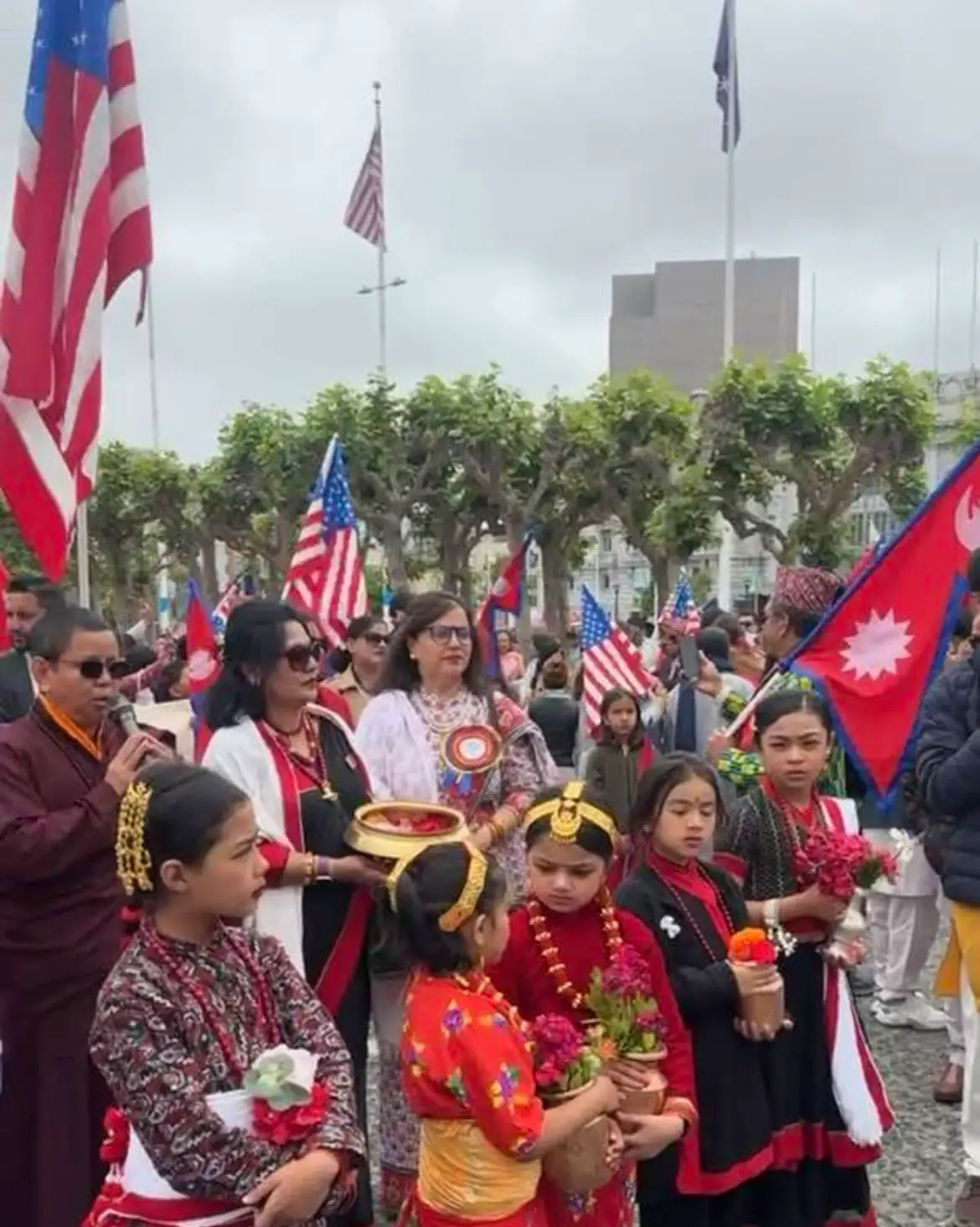
A Nepali man named Mingma Sherpa lama , from Jackson Heights in Queens, New York said he welcomes the Supreme Court’s decision. He and his wife are both undocumented, and he said the ruling gives them hope and relief.
The ruling affects millions of families across the country, including Nepali immigrants, Latino immigrants, African immigrants, Asian immigrants, Middle Eastern immigrants, Caribbean immigrants, and many others who feared losing automatic citizenship rights for their U.S.‑born children. Many families had expressed concern that a change in policy would create confusion, legal uncertainty, and long‑term instability for children who have lived their entire lives in the United States.
The case centered on a challenge to a 2025 executive order that attempted to restrict automatic citizenship for children of undocumented immigrants. The order sought to redefine eligibility for citizenship by requiring proof of legal immigration status from parents before a birth certificate could be issued. The Supreme Court rejected the order, stating that the 14th Amendment’s Citizenship Clause is clear and cannot be changed through executive action.
In its majority opinion, the Court emphasized that the Constitution guarantees citizenship to anyone born in the United States. The justices noted that the framers of the 14th Amendment intended to create a stable and universal rule for citizenship, preventing future political disputes from affecting the rights of children born in the country.
Hospitals, state agencies, and local governments had warned that the proposed policy would have created major disruptions. Medical staff would have been required to verify immigration documents before issuing birth records, and state offices would have faced delays and disputes over citizenship status. The ruling prevents these changes and keeps current procedures in place.
Immigrant advocacy groups welcomed the decision, saying it protects families from sudden legal uncertainty. Nepali community organizations across several states said the ruling brings relief to parents who feared their children might lose citizenship or face complicated legal challenges in the future. Similar reactions were reported among Mexican, Honduran, Haitian, Filipino, Indian, Pakistani, Somali, and Syrian communities, many of whom have long relied on birthright citizenship as a stable foundation for their children’s future.
Legal experts say the decision reinforces a long‑standing interpretation of the Constitution and maintains a principle that has shaped American identity for generations. They noted that birthright citizenship has been a central part of U.S. law since 1868 and has been upheld repeatedly by courts over the years.
The Supreme Court’s decision takes effect immediately, ensuring that all children born in the United States continue to receive citizenship at birth. Families across the country expressed relief that the Court preserved a policy that has provided clarity and stability for more than a century.