
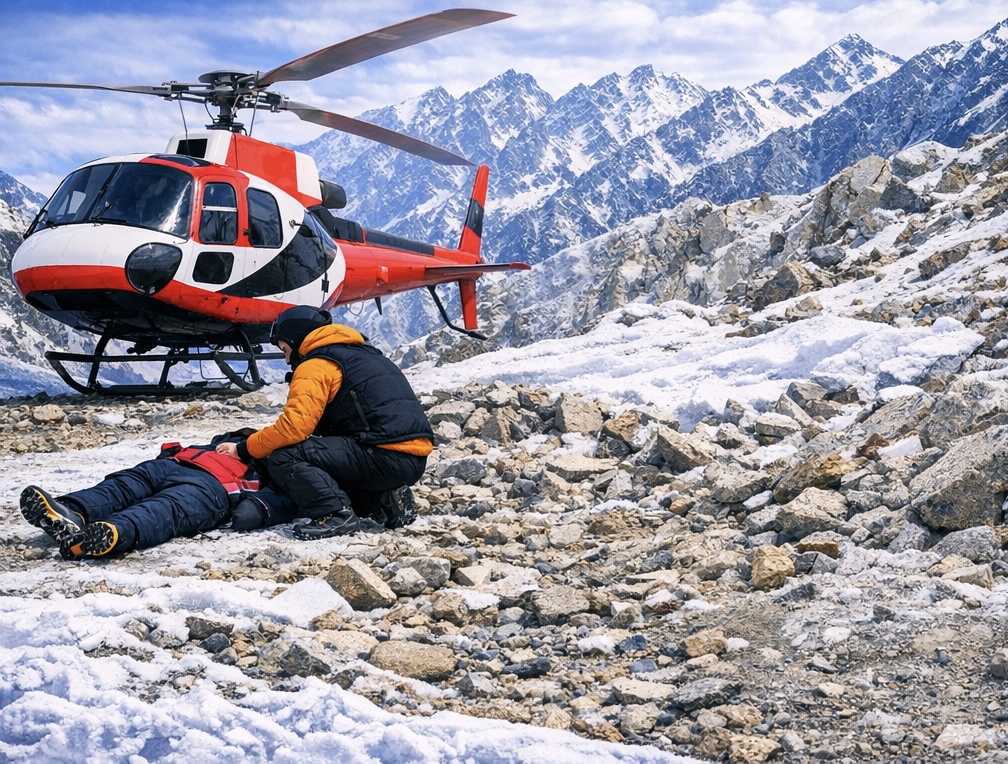
Everest guides did not poison climbers the real issue was a rescue insurance scam
KATHMANDU– Nepal’s Central Investigation Bureau (CIB) has officially on denied claims circulating in international media that Everest trekking guides were poisoning climbers to trigger helicopter evacuations. According to investigators, there is no evidence that guides mixed harmful substances into food or drinks to make tourists sick. Instead, the real issue uncovered by authorities is a large‑scale insurance fraud operation involving staged helicopter rescues and inflated medical bills.
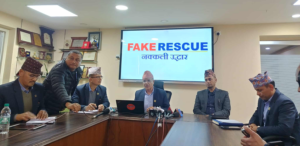
The false poisoning narrative spread rapidly online after a few foreign outlets misinterpreted a line from a 748‑page charge sheet filed by the CIB. The document briefly mentioned baking soda in a general context, but investigators say this reference was not connected to any poisoning allegation, and none of the 32 individuals charged were accused of tampering with food.
CIB: “No evidence of poisoning”
Following the global spread of the rumor, Nepal’s CIB issued a clarification stating that the investigation did not uncover any attempt to poison trekkers. Officials emphasized that the charges relate strictly to financial fraud, not physical harm.
The bureau’s statement was intended to correct misinformation that had already reached major news platforms and social media, creating unnecessary fear among tourists planning to trek in Nepal.
What the investigation actually found
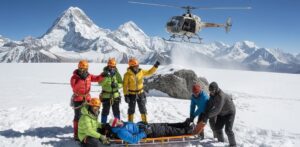
While the poisoning claim is false, the underlying case is serious. Over several years, a network of trekking companies, guides, helicopter operators, and some medical personnel allegedly collaborated to stage unnecessary helicopter rescues for foreign trekkers. These rescues were then billed to international insurance companies at inflated rates.
According to investigators, the scheme involved:
• Unwarranted helicopter evacuations from trekking routes
• Forged or exaggerated medical reports
• Inflated hospital bills
• Kickbacks shared among guides, operators, and clinics
• Thousands of trekkers unknowingly caught in the scam
The fraud is believed to have generated millions of dollars in illegitimate insurance claims, damaging Nepal’s reputation and raising concerns among international insurers.
How the poisoning rumor started
The confusion began when a few media outlets highlighted a single line from the charge sheet mentioning baking soda. Without verifying the context, some reports suggested that guides used the substance to make trekkers vomit or feel ill, prompting helicopter evacuations.
However, investigators say:
• The reference was not tied to any criminal charge
• No toxicology evidence was found
• No victims reported symptoms consistent with poisoning
• No defendants were accused of food tampering
The CIB’s clarification confirms that the poisoning narrative was a misinterpretation, amplified by sensational headlines.
Impact on Nepal’s tourism industry
Nepal’s tourism sector, especially trekking and mountaineering, is a major source of income for the country. The spread of false claims about poisoning risks harming the industry at a time when Nepal is working to rebuild trust with international insurers and travelers.
Tourism officials have urged media outlets to report responsibly and verify claims before publication, noting that misinformation can have long‑lasting consequences for local communities who depend on trekking income.
Authorities move forward with fraud charges
Despite the misinformation, the core investigation remains active. The 32 individuals charged face allegations related to:
• Insurance fraud
• Document forgery
• Financial misconduct
• Coordinated corruption across multiple sectors
The case is one of the largest insurance fraud investigations in Nepal’s trekking history.
Bottom line
Everest guides did not poison climbers.
The real scandal is a multi‑million‑dollar insurance fraud scheme involving staged helicopter rescues, not attempts to harm tourists.
Nepal’s CIB has made it clear: the poisoning story is false, and the public should rely on verified information rather than sensational claims.